
Judd Shaw No-Fault Law started in 2012 with one idea: excellent representation is half the job, and the client experience is the other half. That idea never moved. How I led the people responsible for it did. That’s the story on this page.
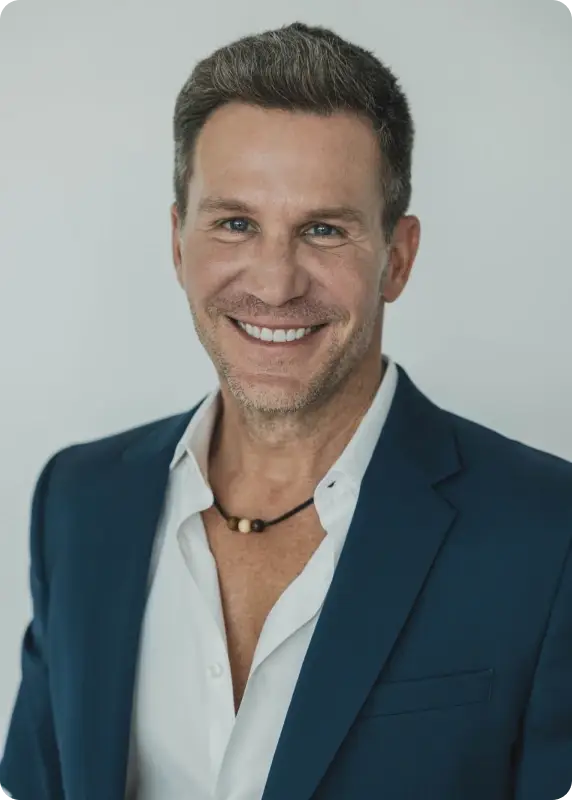
My first job out of law school was at a firm where the boss refused to invest in his people. Turnover was constant. The clients felt it. I left and built the opposite.
That decision is why the firm looks the way it does. We built PIP-App so a provider never has to call us to find out where a claim stands. We handle post-service appeals as part of representation instead of charging for them. We hold a seat on the state’s advisory council for no-fault arbitration because we’d rather help shape the rules than react to them. More than $1 billion recovered, and every dollar of it came through a process a provider could watch happen.

For a long time I led the way I’d been taught to: set the bar high, push hard, expect everyone to keep up. The results were real. So was the cost. Good people burned out and left. The ones who stayed learned to work around me instead of with me. I was building a high-performance firm and losing the people in it.
So I changed the way I led. Less pressure, more presence. I stopped assuming that intensity was the only thing holding the standard up, and I started trusting the people I’d hired to hold it with me. We tracked it over two years. The people who work here trust each other more, speak up sooner, and make decisions without waiting on me. The standard didn’t drop. It got easier to keep.
That shift is the reason a provider’s experience with this firm feels the way it does. It’s also where everything I do outside the firm comes from.
An extension of my work at the firm, done for a different audience.
I wrote How to Live Authentically, a USA Today bestseller, because the story I needed didn’t exist when I was looking for it. The story of achieving everything you set out to achieve and still feeling disconnected from yourself and the people around you.
I speak to leaders and organizations about the thing I had to learn the hard way. Performance and connection aren’t opposites. Two keynotes, one for leadership audiences and one for healthcare, recovery, and mental health.
The leadership framework I apply at the firm, packaged so other organizations can use it. Workshops, coaching, and consulting for leaders doing the inside work.
The podcast. Long conversations with people about the moment they stopped pretending.
I write about leading a firm, running a practice, and the parts of both that don’t make it into a keynote. If this page said something you recognized, that’s where the conversation continues.